
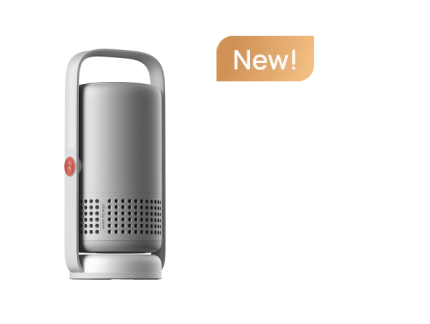
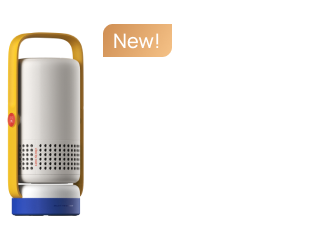
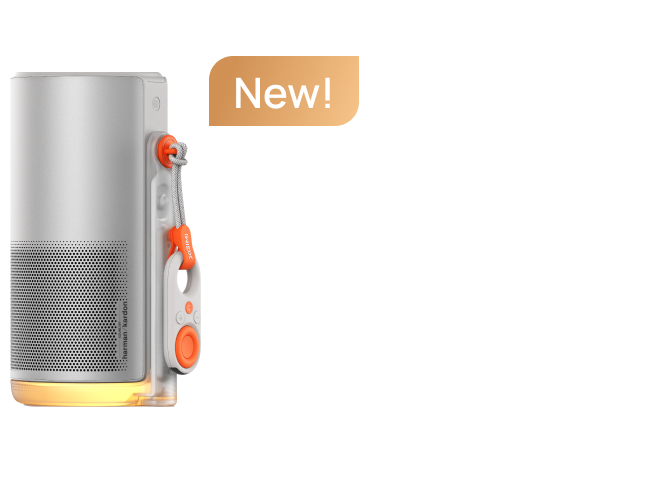
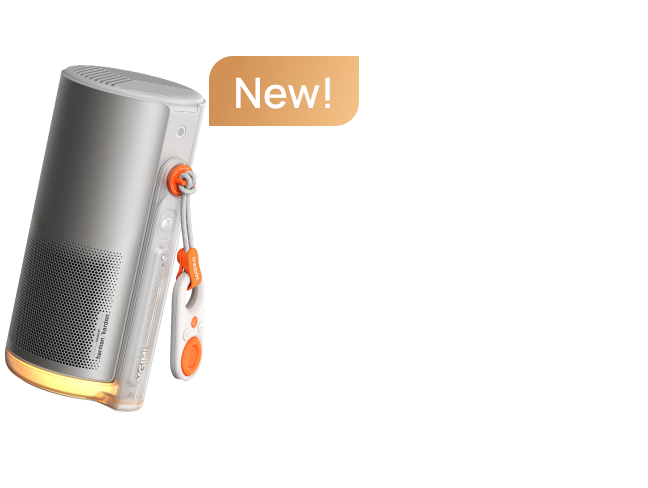
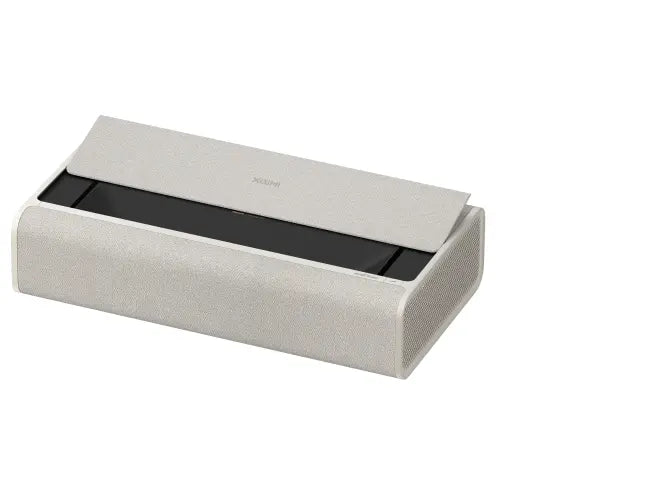


The best portable projector for movies should deliver enjoyable picture quality, clear sound, and enough power to finish your favorite film. Whether you're watching in a dark room, moving between bedrooms, or hosting a backyard movie night, the right choice depends on your viewing conditions.
From pocket-sized models to brighter lifestyle projectors, this guide explains the important features, compares popular options, and helps you choose a portable movie projector that fits your space.
What Makes a Good Portable Movie Projector?
A good portable projector combines image quality, easy setup, and convenient transportation.
Picture quality and brightness: Full HD resolution (1920 × 1080) delivers clear detail for many portable video projectors. However, contrast ratio, color reproduction, and overall brightness also influence how natural movies look.
Brightness ratings are commonly expressed in ISO lumens or ANSI lumens. These standards use different measurement methods, so the numbers shouldn't be treated as directly interchangeable. Solid brightness in a dark bedroom may still be insufficient in a well-lit room.
Size and portability: Small projectors are often described as pico, pocket, mini, or portable models. You may encounter buying charts defining pico projectors as weighing under 1 pound with fewer than 100 lumens, or pocket projectors as weighing 1–4 pounds with 300–1,000 lumens.
Other guides suggest that mini projectors typically deliver 300–400 ANSI lumens, while portable models weigh 3–10 pounds and produce 2,000–5,000 lumens. Some also suggest that portable projectors universally weigh less than 10 pounds.
These are not standardized industry definitions. Actual products vary considerably, so compare published weight, dimensions, brightness, and power requirements instead of relying on a label.
Power and convenience: Most portable projectors are designed to be easier to move than traditional home theater equipment, but not all include an integrated battery. Some need a power outlet, while others support cordless viewing.
Built-in speakers, streaming apps, auto focus, and automatic keystone correction can also make a huge difference to everyday convenience.
Best XGIMI Portable Movie Projectors Compared
These three XGIMI models offer different balances of picture quality, battery life, and portability.
| Model | Best for | Published brightness | Battery runtime* |
|---|---|---|---|
| MoGo 4 | Everyday movie nights | 450 ISO lumens | Up to 2.5 hours |
| MoGo 4 Laser | Richer movie colors | 550 ISO lumens | Up to 2.5 hours |
| Vibe One (Battery Powered) | Casual, budget-friendly viewing | 250 ISO lumens | Up to 1.2 hours |
Manufacturer-published video playback ratings in Eco Mode. Actual runtime varies with settings and usage.
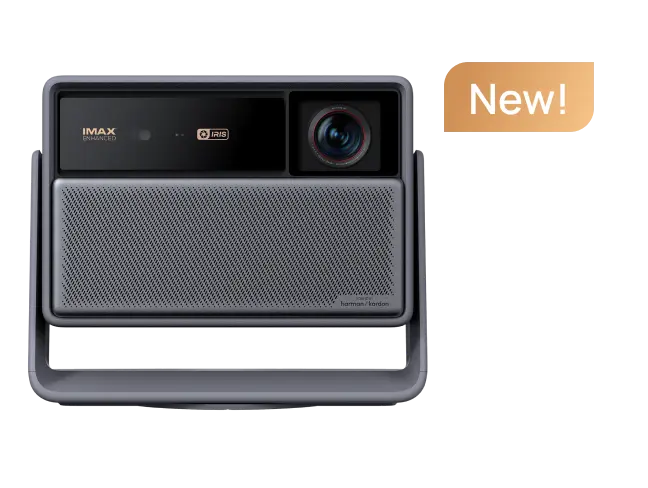
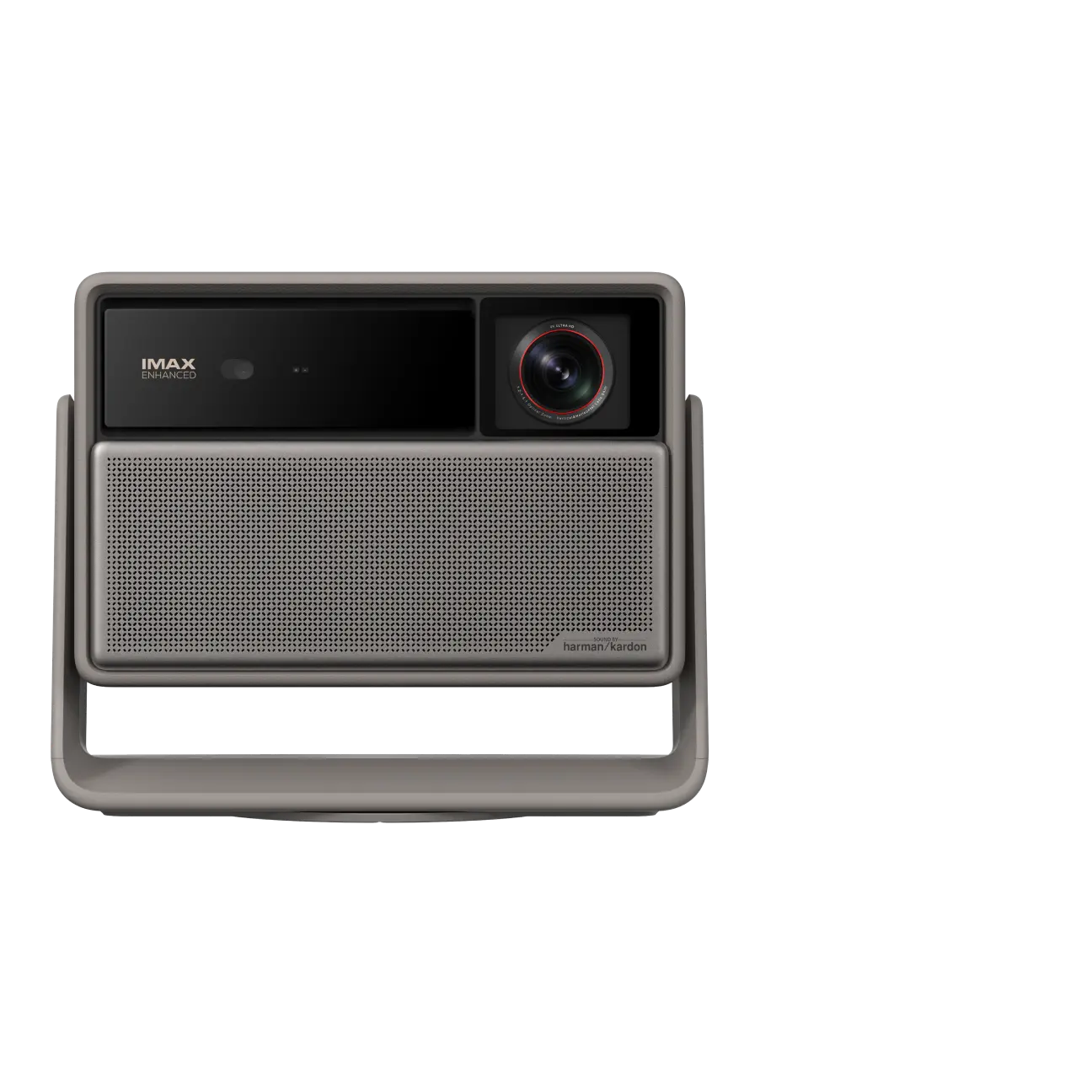
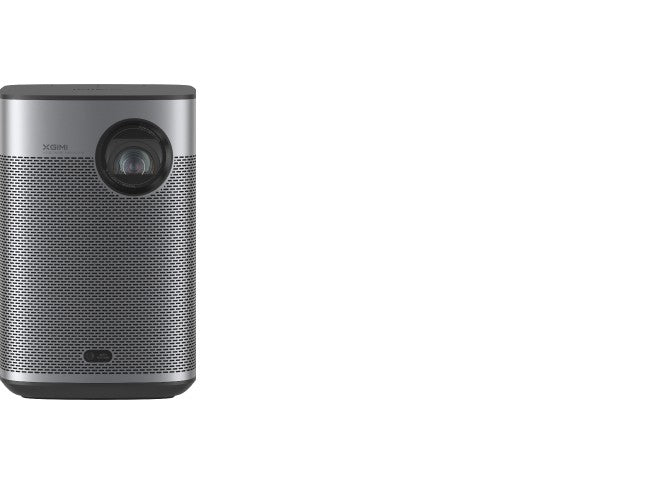
MoGo 4: Best balance for everyday movies
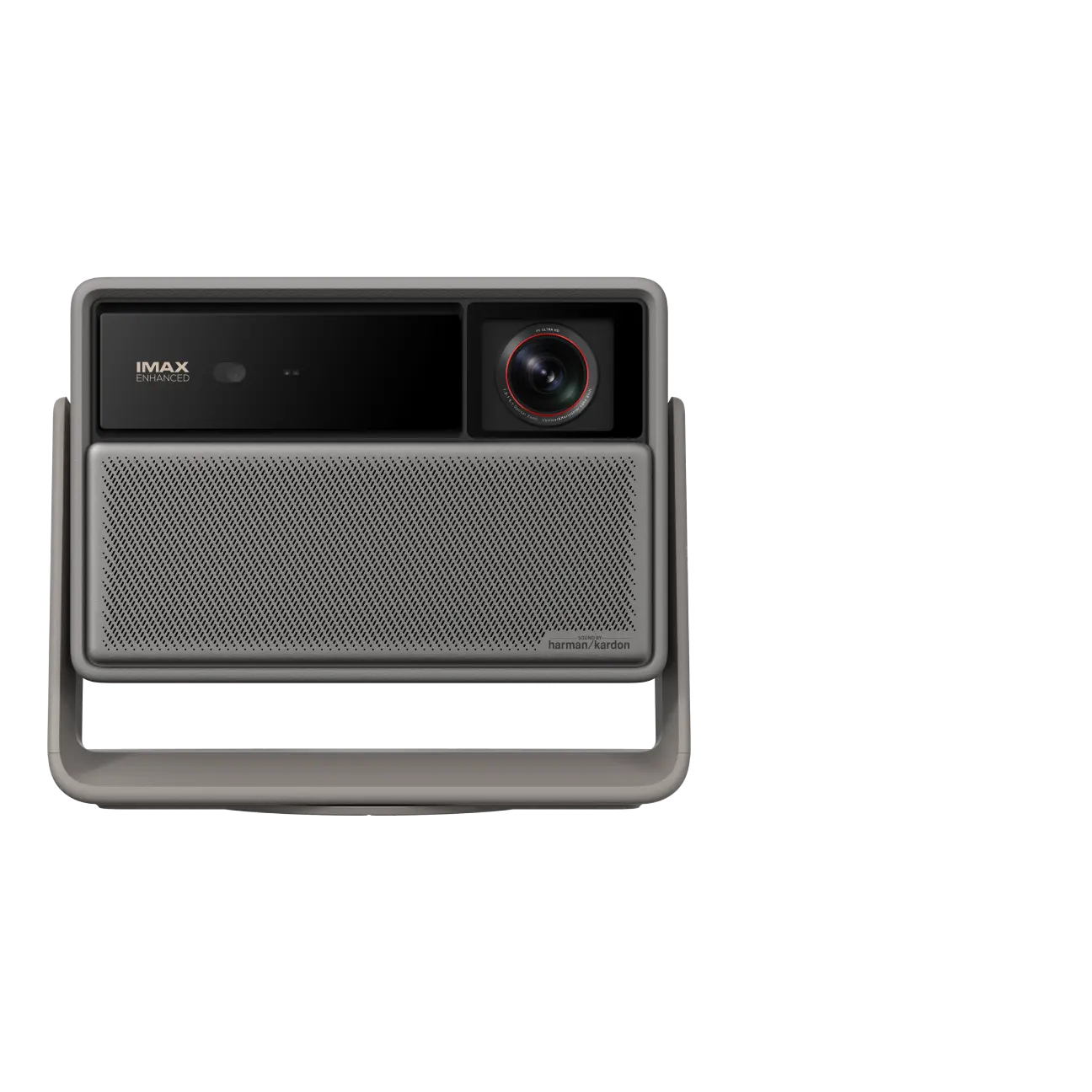
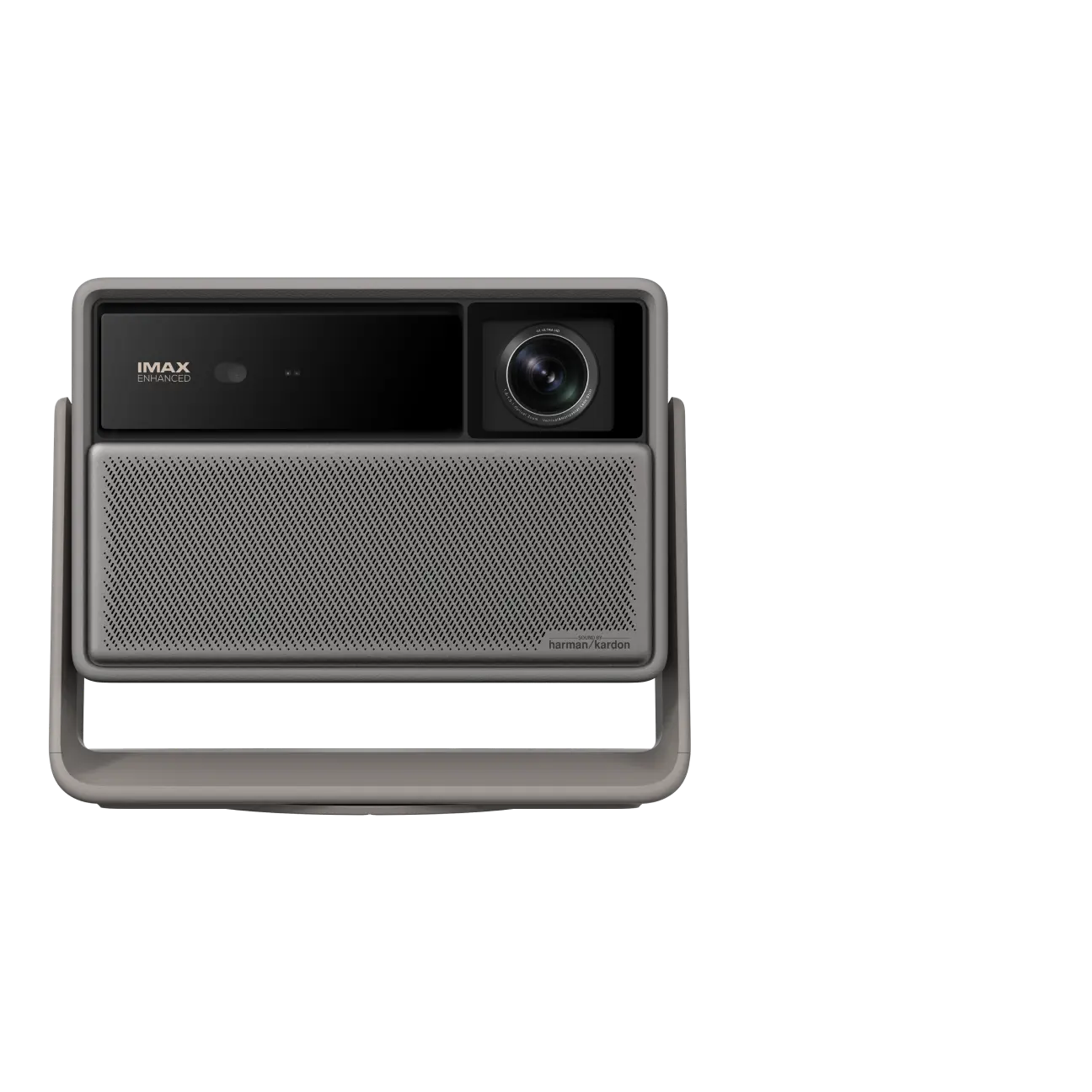
The XGIMI MoGo 4 combines 1080p HD resolution, an LED light source, and 450 ISO lumens in a compact design.
Weighing approximately 2.9 pounds, it includes a built-in battery, Google TV OS with licensed Netflix, and dual 6W Harman Kardon speakers.
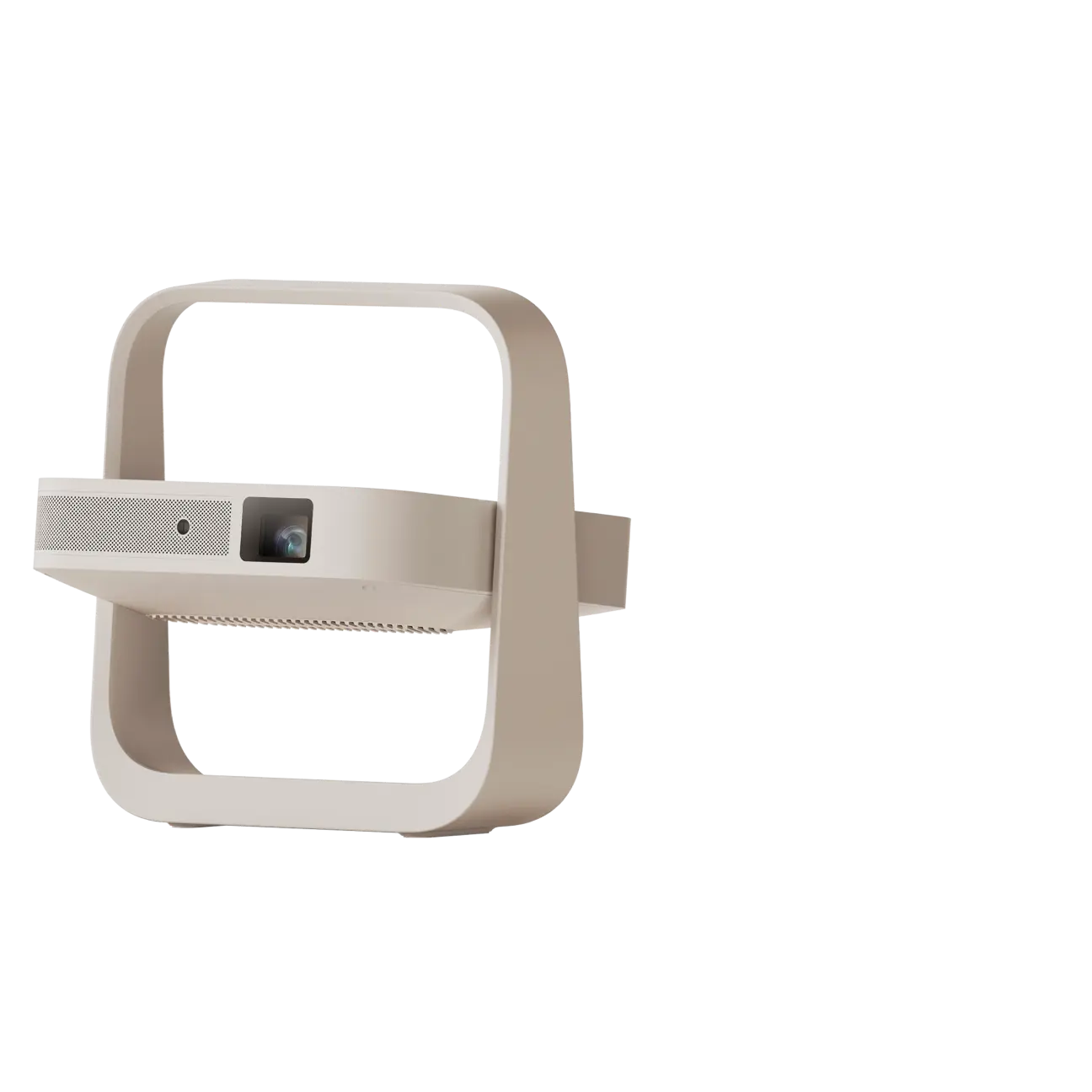
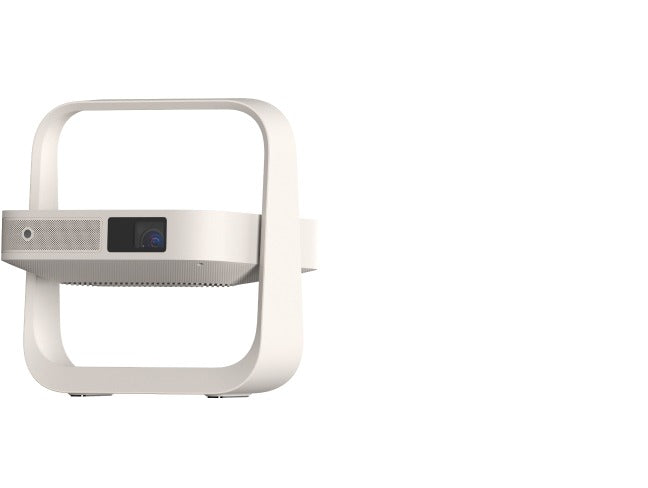
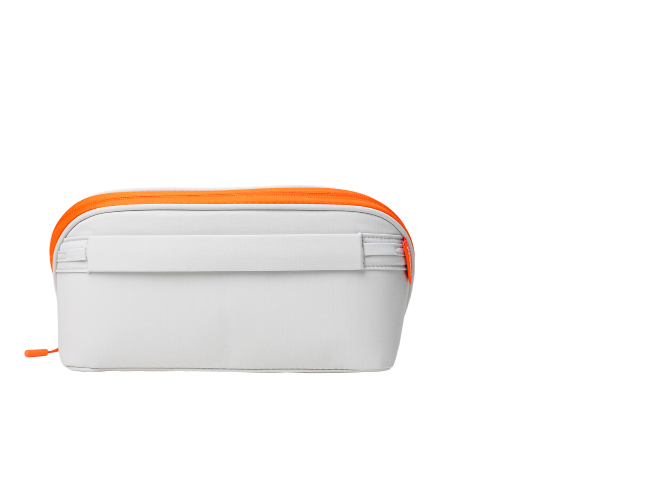
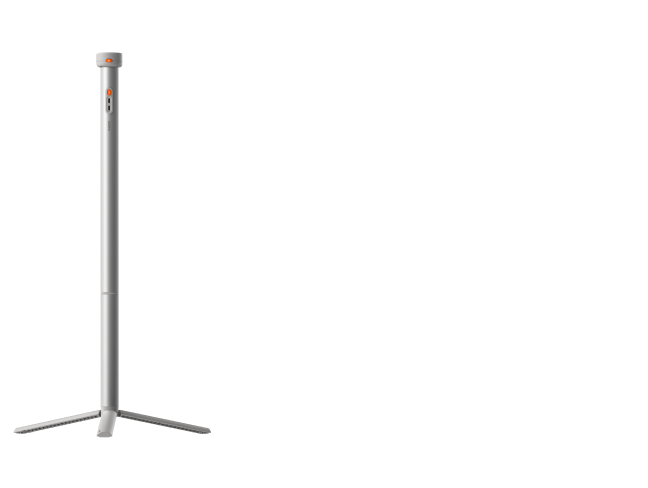
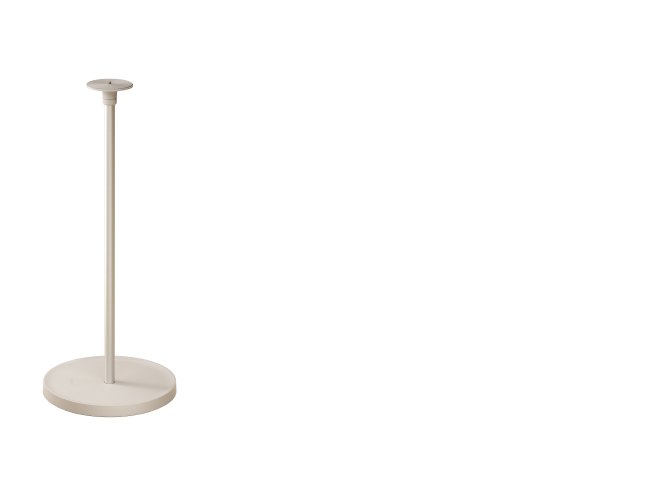
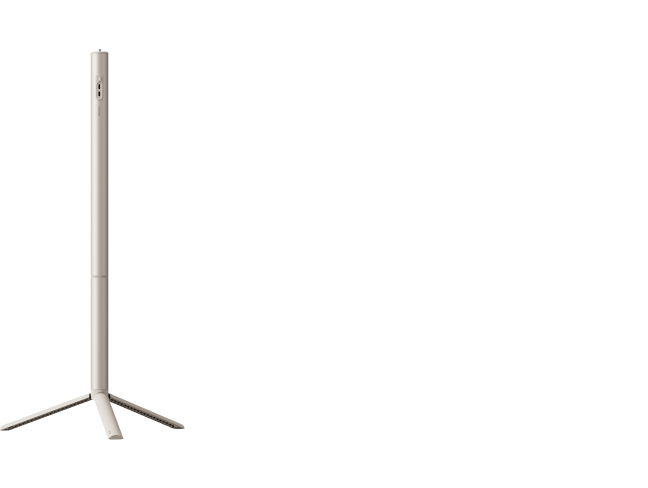
Its 360-degree adjustable stand makes placement convenient for bedrooms and backyard movie nights. The stand provides flexible positioning, although it's not a motorized gimbal stand.
MoGo 4's battery supports up to 2.5 hours of video playback in Eco Mode. This makes it suitable for many movies, but not a guaranteed three hours of viewing at maximum brightness.
article_product1
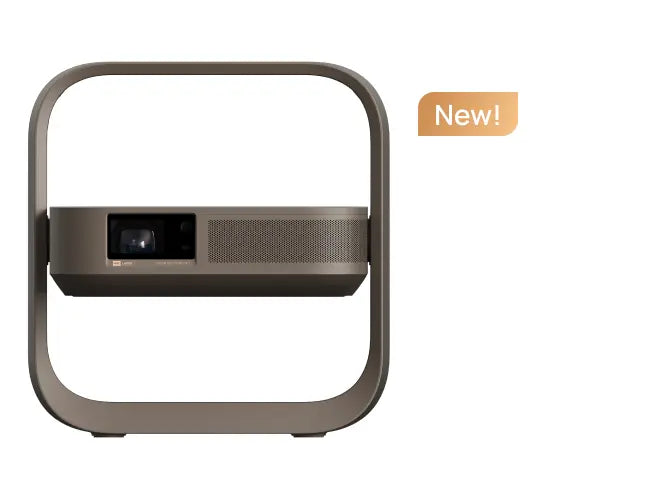
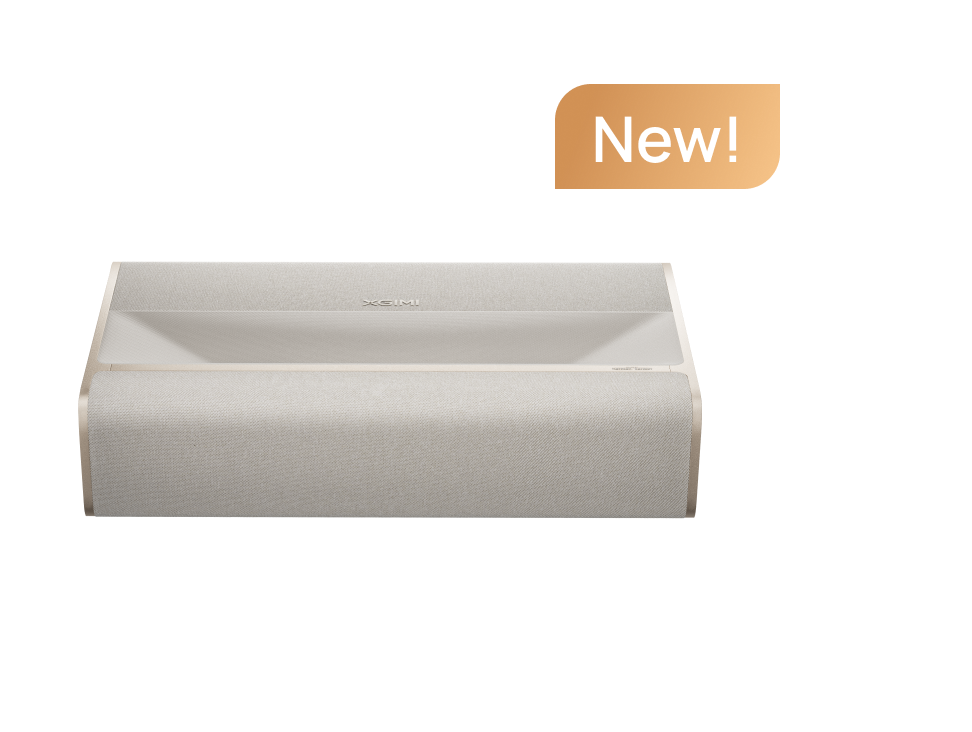
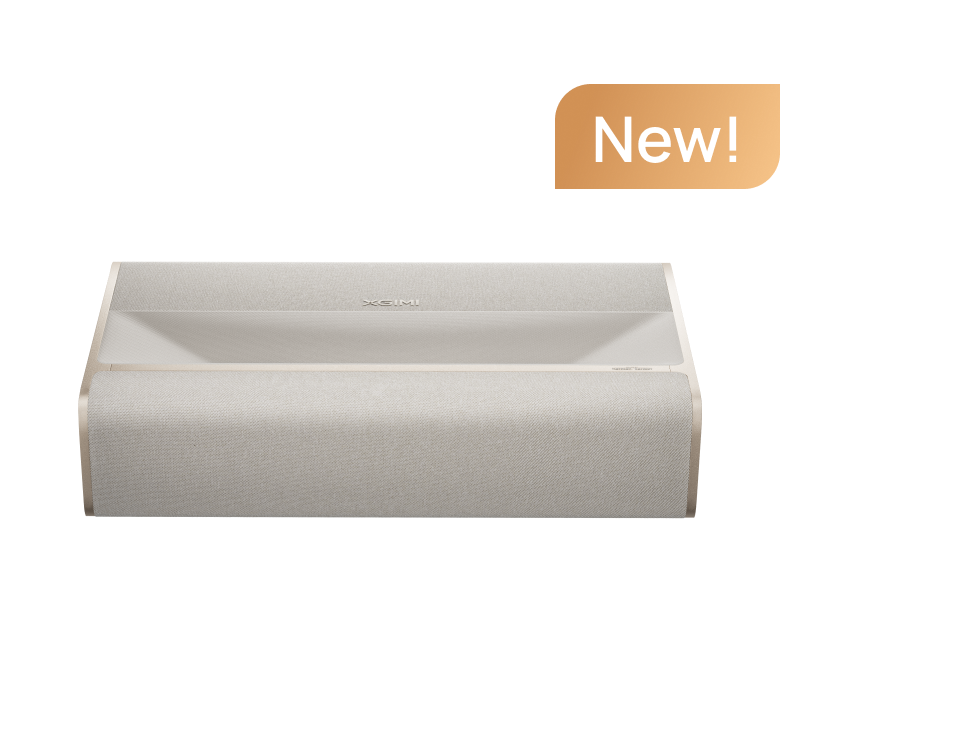
MoGo 4 Laser: For richer movie visuals
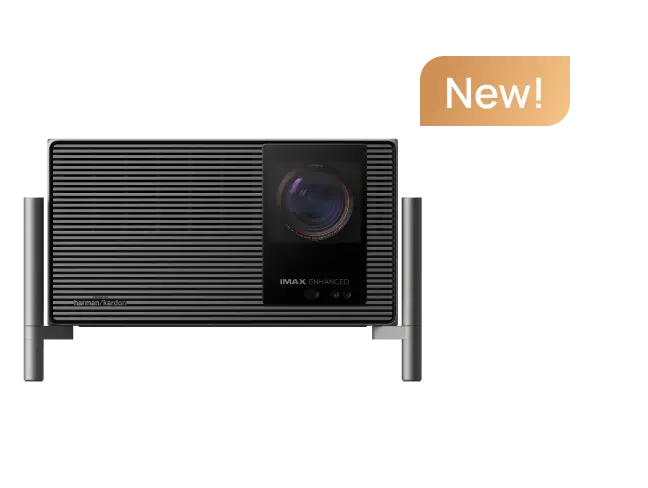
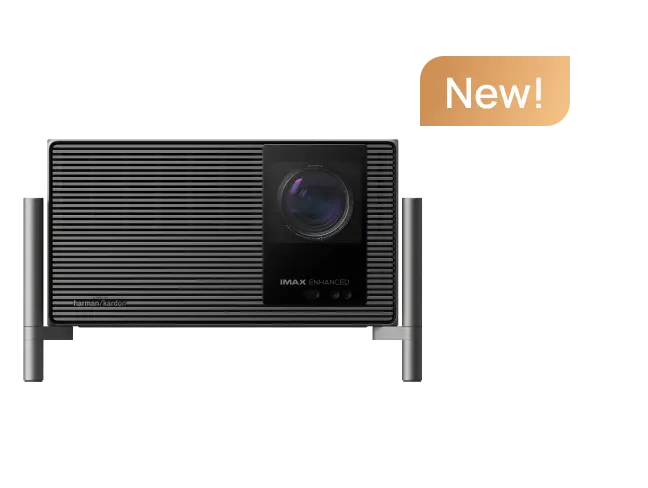
The XGIMI MoGo 4 Laser uses an RGB triple laser light source instead of the standard model's LED technology.
It offers 550 ISO lumens and wider published color-gamut coverage while retaining Full HD resolution, Google TV, integrated speakers, and battery power.
These two projectors are similarly portable, but the Laser model places greater emphasis on color performance. Both deliver their best results with controlled ambient light.
article_product2
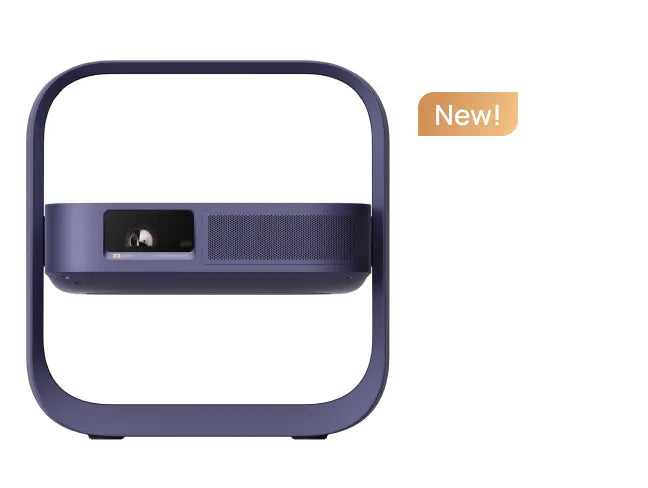
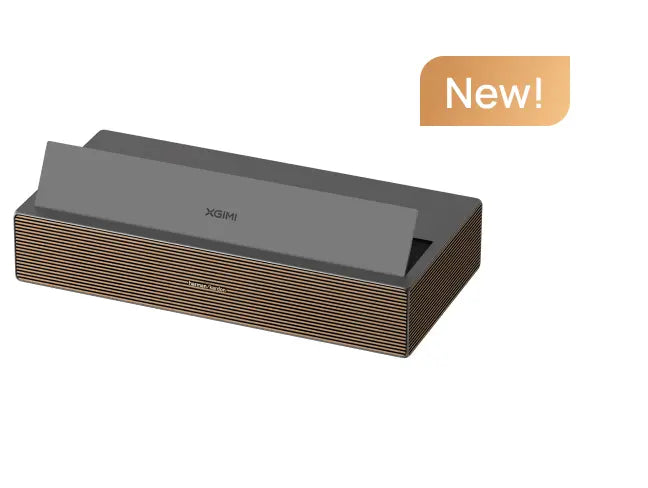
Vibe One (Battery Powered): For casual movie nights
The XGIMI Vibe One (Battery Powered) offers 1080p resolution, 250 ISO lumens, Google TV with licensed Netflix, and dual 3W JBL speakers.
Its carry-friendly design works well for bedrooms and occasional travel.
The main trade-off is battery life. Its internal battery provides up to 1.2 hours of video playback in Eco Mode, so most full-length movies require external power.
article_product3
How Do Other Portable Projectors Compare?
Comparing different projectors helps explain why portability and brightness don't always increase together.
For example, the Nebula Capsule 3 Laser is a pocket-sized projector weighing approximately 2.1 pounds. It delivers a manufacturer-rated 300 ANSI lumens, supports projection sizes up to 120 inches, and offers up to 2.5 hours of battery playback.
The Nebula P1 offers 650 ANSI lumens and weighs approximately 5.2 pounds. It includes a 130-degree gimbal and detachable wireless speakers. However, the projector itself has no built-in battery and requires external power, even though its speakers have their own batteries.
The Nebula Mars 3 is a larger outdoor projector designed for more demanding portable setups. Its official specifications list 1,000 ANSI lumens, IPX3 water resistance, and up to five hours of video playback in Eco Mode.
These figures are more useful than older references describing Mars 3 as an 800-lumen projector or listing a 4-hour-and-45-minute maximum runtime without the relevant testing conditions.
Mars 3 also demonstrates why a rugged projector differs from an ordinary compact model. Its published resistance ratings provide additional protection, but they don't make every outdoor projector weatherproof.
For comparison, larger plug-in home theater models can deliver much greater light output. Epson's Home Cinema LS11000 is rated at 2,500 ISO lumens of white brightness, while Hisense's C2 Ultra is rated at 3,000 ANSI lumens.
These are different performance categories from battery-powered pocket projectors. Their higher published brightness doesn't automatically make them more convenient for travel.
When choosing among the best projectors for movies, consider brightness standards, actual weight, power requirements, and viewing conditions together.
How to Choose the Right Portable Projector for Movies
Start with your viewing environment.
A dark bedroom requires less light output than a living room with open curtains. Larger screen sizes also spread available light across a wider area, so a smaller projected image may look brighter than a large projection from the same projector.
If daytime viewing is essential, consider a brighter AC-powered model rather than relying on a battery-powered mini projector.
Measure your projector space.
Throw ratio determines how far the projector must sit from the screen. A short throw projector produces a larger image from a shorter distance, but compact size doesn't automatically mean short-throw optics.
MoGo 4 and MoGo 4 Laser use a 1.2:1 throw ratio. Before buying, use the XGIMI Projection Calculator to estimate your screen size and placement.
Check power and connectivity.
Battery life often depends on brightness settings. Eco Mode extends runtime by reducing light output, so plan external power for longer movies or brighter viewing modes.
Many modern portable projectors include HDMI and USB ports, but configurations vary. An HDMI input can connect compatible streaming devices, laptops, and gaming consoles.
USB-C can support power delivery, data, or video input on different devices. Don't assume every USB-C port handles all three.
For example, MoGo 4 uses USB-C for charging rather than USB-C video input. If you plan to use a power bank, verify the projector's power-delivery requirements.
Smart streaming platforms also differ. Google TV and Android TV are related operating systems, but app availability and certification vary by model.
Consider sound quality and setup.
Built-in or internal speakers are convenient for bedrooms and small groups. Bluetooth connectivity can also allow pairing with compatible external speakers, depending on the projector.
For larger gatherings, an external sound system may improve dialogue clarity and volume. However, ordinary built-in speakers aren't equivalent to a dedicated surround sound system.
Automatic focus and keystone correction simplify setup, but you may still need to manually adjust the projector's position for the sharpest image.
Tips for Better Indoor and Outdoor Movie Nights
For indoor movie nights: Close curtains, reduce nearby lighting, and use a smooth projection surface. Position the projector directly toward the screen where possible to minimize digital corrections.
A compact lifestyle projector can create an enjoyable home theater experience without permanent installation. However, if your main priority is watching television throughout the day in a brightly lit room, a higher-brightness projector or conventional TV may be more suitable.
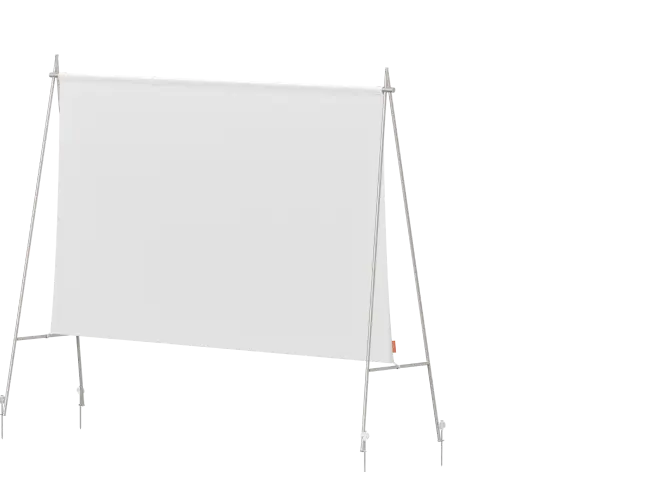
For outdoor movie nights: Wait until after sunset. Even portable models with relatively high brightness struggle against direct sunlight.
Choose a stable surface, keep bright patio lights away from the screen, and plan your power source before starting the movie.
Also check weather protection. Most portable models can be moved between indoor and outdoor locations, but that doesn't mean they're automatically resistant to rain, dust, or rough handling.
For more guidance, see XGIMI's outdoor projector buying guide.
You can also explore the XGIMI portable projector collection to compare current models.
Ultimately, the best portable movie projector is the one that fits your room, power needs, preferred screen size, and viewing habits—not simply the model with the biggest specifications.
FAQs
1. What is the best portable projector for watching movies?
MoGo 4 is a practical choice for everyday portable movie nights. MoGo 4 Laser emphasizes richer color performance, while Vibe One (Battery Powered) is better suited to occasional, budget-conscious viewing. The best option depends on your lighting conditions, available power, and preferred picture quality.
2. Are pico, pocket, and mini projectors the same?
No. These terms are often used as marketing descriptions rather than standardized categories. Pico projectors generally emphasize extremely compact dimensions, while pocket and mini projectors vary in weight, brightness, and features. Compare actual specifications instead of assuming a fixed size or brightness range.
3. Can a portable projector last through a full movie?
Yes, depending on its battery runtime and operating mode. MoGo 4 and MoGo 4 Laser offer up to 2.5 hours of video playback in Eco Mode. Brighter settings reduce runtime, so longer movies may require a compatible external power source.
4. Can I connect a phone, gaming console, or Bluetooth speaker?
Many portable projectors support compatible source devices through HDMI or wireless casting. A Nintendo Switch typically connects through its dock and HDMI output. Bluetooth can connect compatible speakers, while phone casting depends on the device and app. Check the projector's available ports and supported connection methods.
5. Can portable projectors work outdoors during the day?
Small battery-powered projectors generally perform poorly in direct sunlight. For the best outdoor picture, watch after sunset and reduce nearby lighting. Brighter plug-in projectors may handle some ambient light better, but daytime outdoor viewing remains challenging for projection.


