
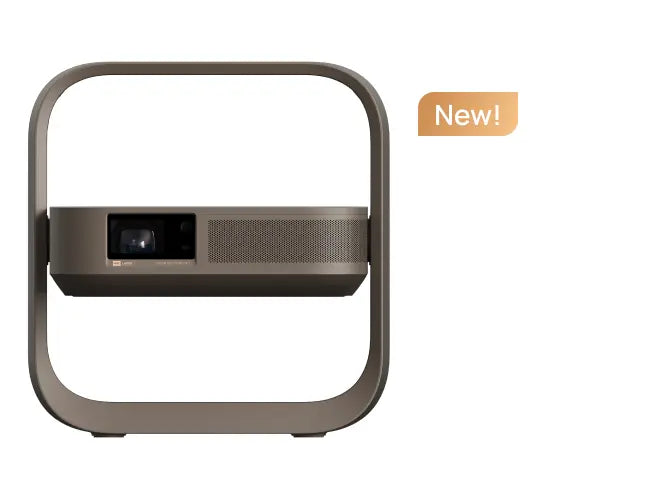
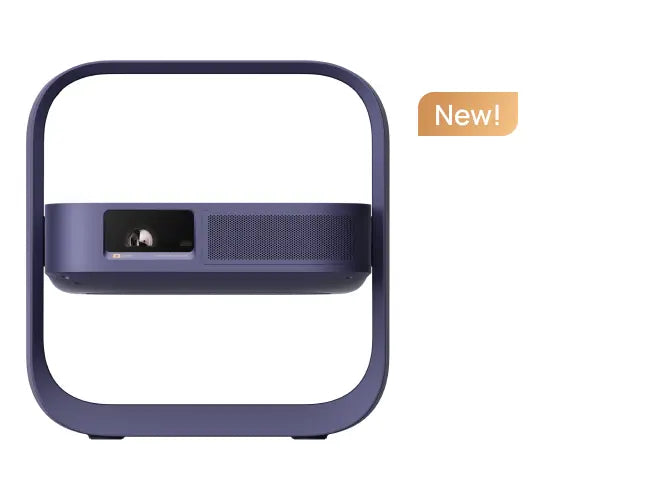




Today's workouts don't have to happen in a gym. Whether you're following an online yoga class, joining a virtual Pilates session, or streaming a HIIT workout, a projector can turn any room into a comfortable fitness space.
A larger image provided by a home gym projector makes it easier to follow instructors, check your posture, and stay focused throughout your workout. In this guide, we'll show you how to choose the right projector, set it up for the best experience, and avoid common mistakes when creating a home workout space.
Why a Projector Is Ideal for Home Workouts
1. Follow Workout Videos and Online Fitness Classes with Ease
A home gym projector makes it easier to follow yoga, Pilates, strength training, and other online fitness classes on a large screen. Compared with a phone or laptop, the bigger image lets you see your instructor's movements more clearly, helping you maintain proper form and stay focused throughout your workout.
2. Create an Immersive Workout Space with Ambient Projection
A projector can also transform your workout space with calming visuals such as forests, ocean waves, or sunsets. Ambient projection creates a more relaxing environment for yoga, meditation, stretching, or post-workout recovery, making your home gym feel more immersive and enjoyable.
Before Buying a Projector for Yoga, Check Your Space First
Before investing in equipment, assess whether your room can support consistent ambient projection. The biggest barrier is usually uncontrolled ambient light. Projection performs best in spaces that can be dimmed reliably, such as rooms used primarily in the evening or those with good window coverings.
Key self-check questions include:
- Can you dim the room during practice?
- Can the projector remain in a fixed position?
- Will your yoga mat stay clear of the projection beam?
- Are walls and surfaces low-glare?
- Can the setup stay repeatable without moving furniture each time?
If two or more answers are no, the setup is more likely to feel frustrating than immersive. In multipurpose rooms with frequent furniture changes or high daytime light, traditional lighting or a simple wall mural may prove more practical than projection.
Do not pursue this setup if you need bright-room performance during daytime hours, if people or objects regularly cross the beam path, or if you prefer zero-setup convenience over atmosphere. These conditions often lead to regret because the immersive effect collapses under real-world use.

Choosing the Right Projector Type for Your Home Gym Space
Choosing the right projector depends on your room size, lighting conditions, and how you plan to use your home gym.
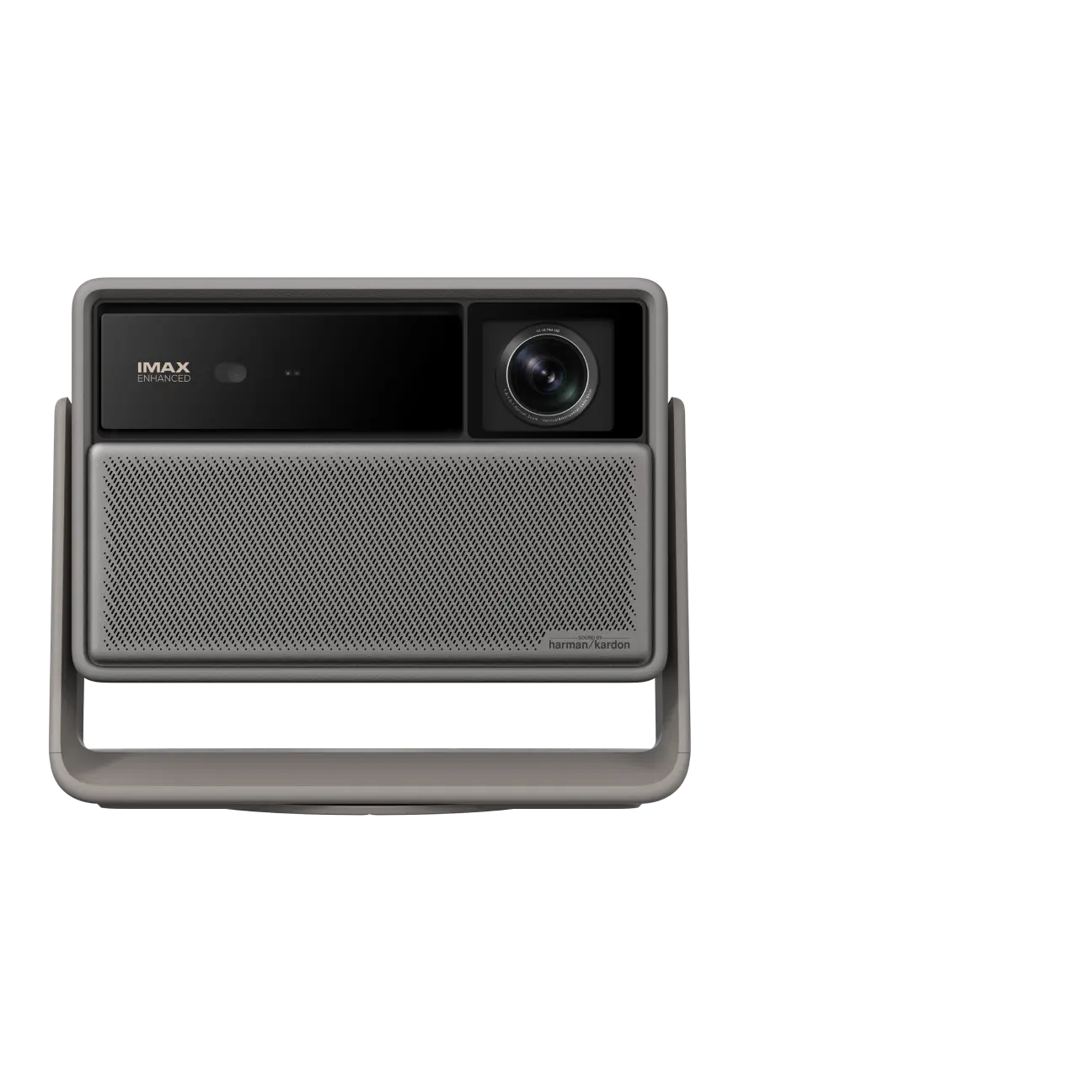
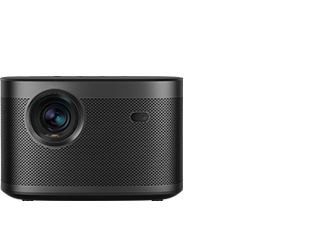
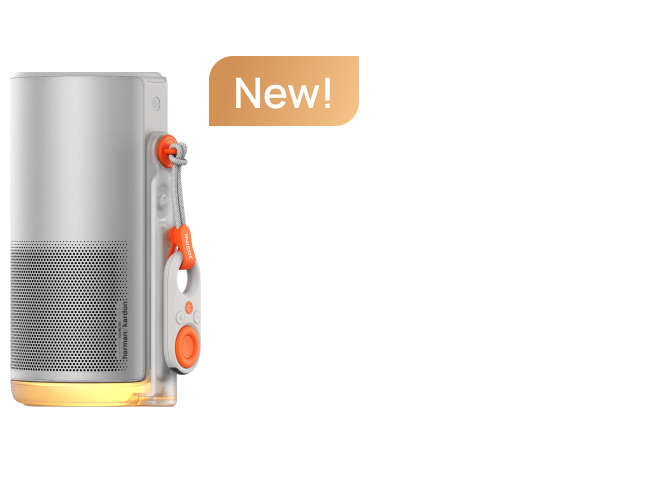
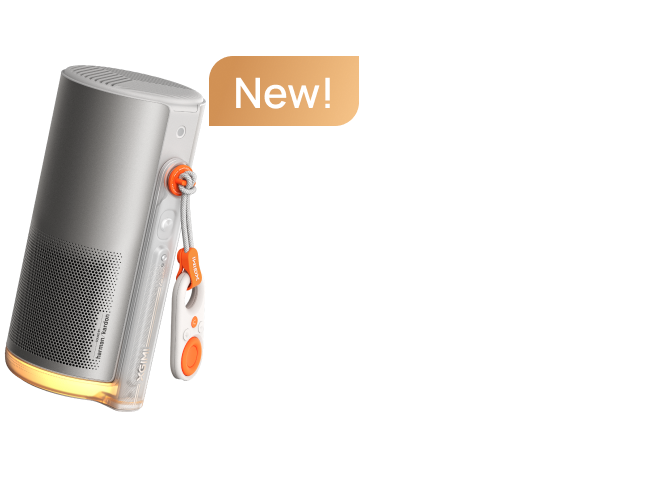
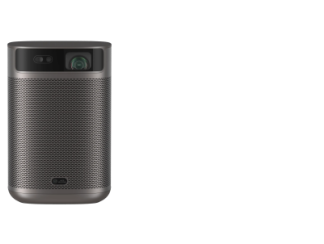
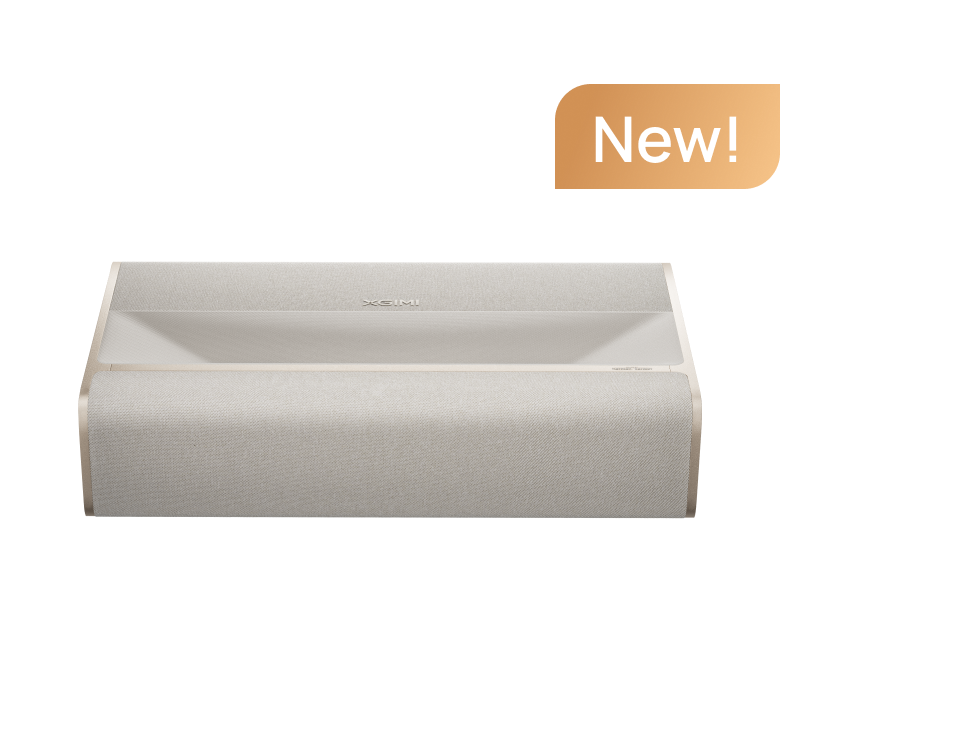
1. Short-throw or ultra-short-throw projectors are ideal for dedicated workout spaces, as they can produce a large image from a short distance while reducing shadows and keeping the setup stable.
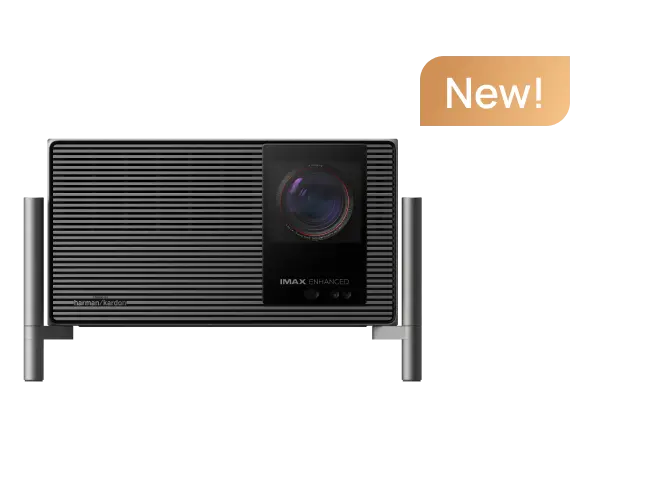
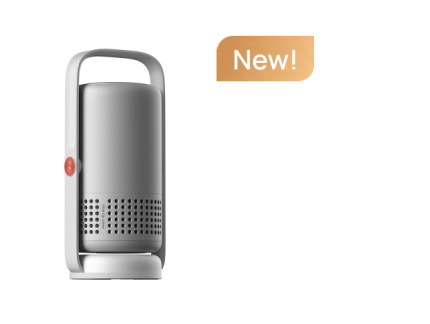
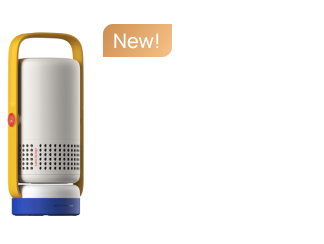
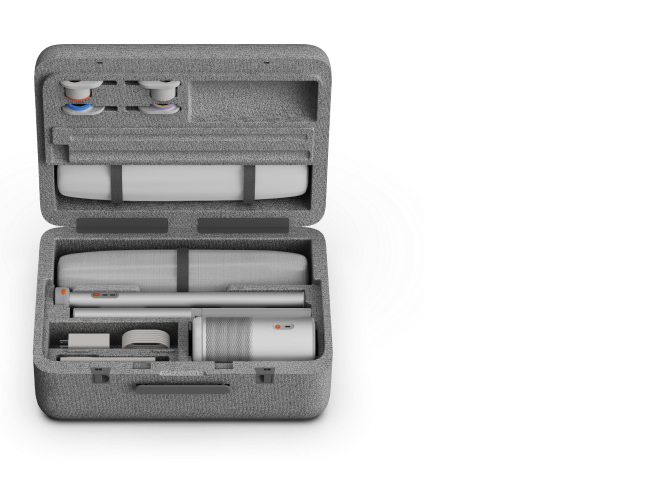
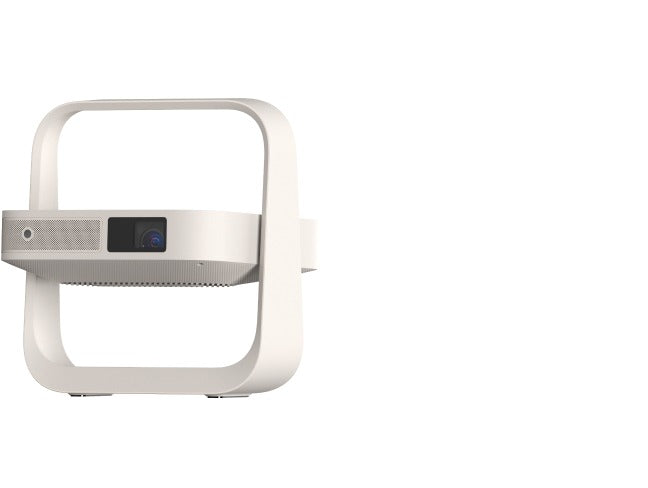
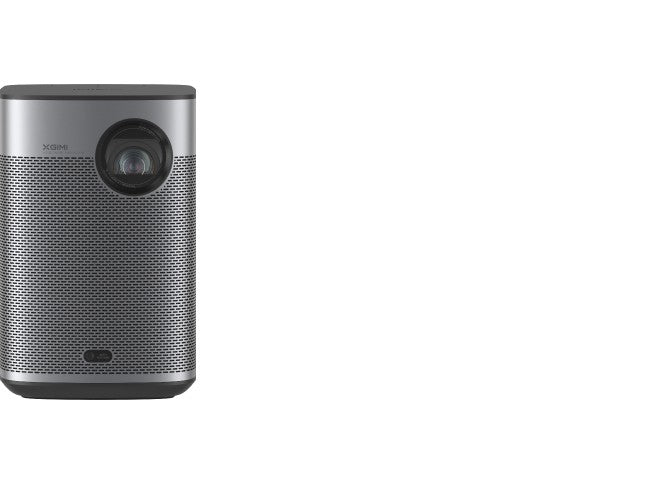
2. Portable projectors, on the other hand, are better suited to apartments or multipurpose rooms because they're easy to move and store after each session.
When deciding between the two, consider whether your workout area is permanent or shared with other activities. A dedicated room with good light control is well suited to a short-throw model, while a portable projector offers greater flexibility for changing layouts. Regardless of the type you choose, prioritize sufficient brightness for your room's lighting conditions over the largest possible screen size.
Step-by-Step Setup Guide for Your Home Yoga Studio
1. Begin by Selecting the Projection Surface
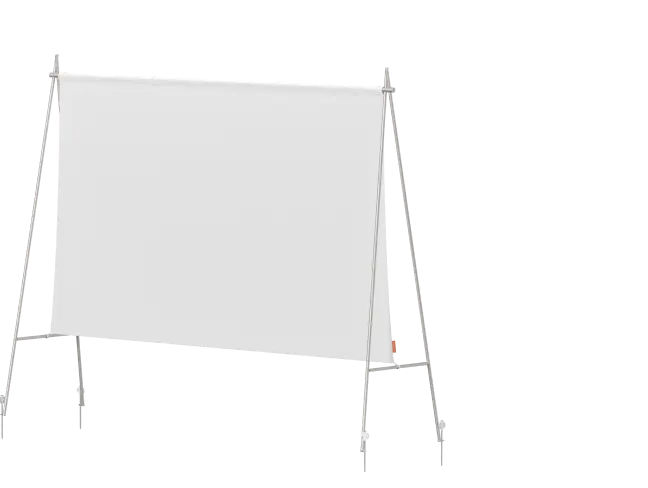
A light-colored, matte wall works for many setups, but a dedicated projection screen or even a smooth neutral fabric can reduce hot spots and improve uniformity. Avoid glossy or heavily textured surfaces that create glare.
2. Determine Throw Distance and Placement
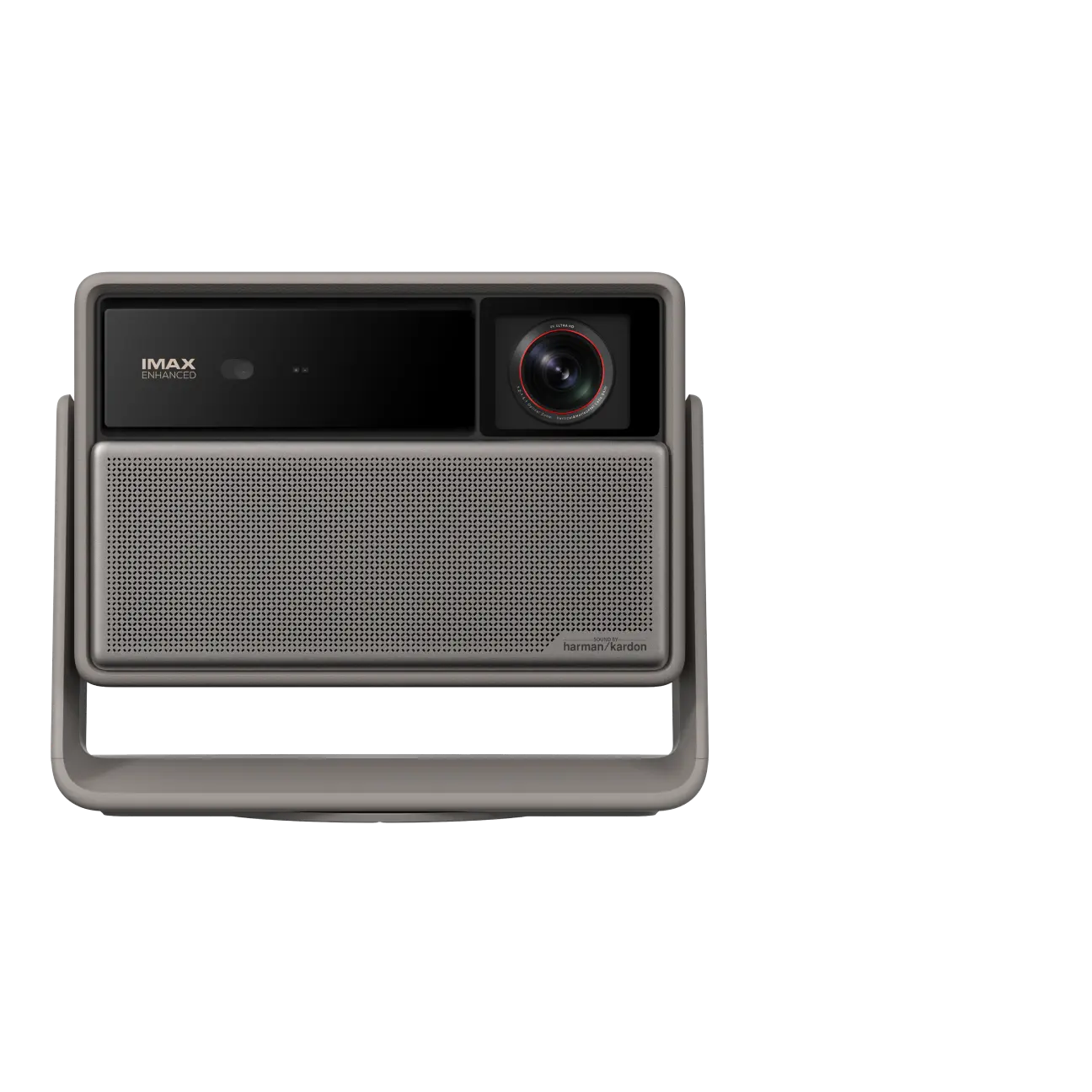
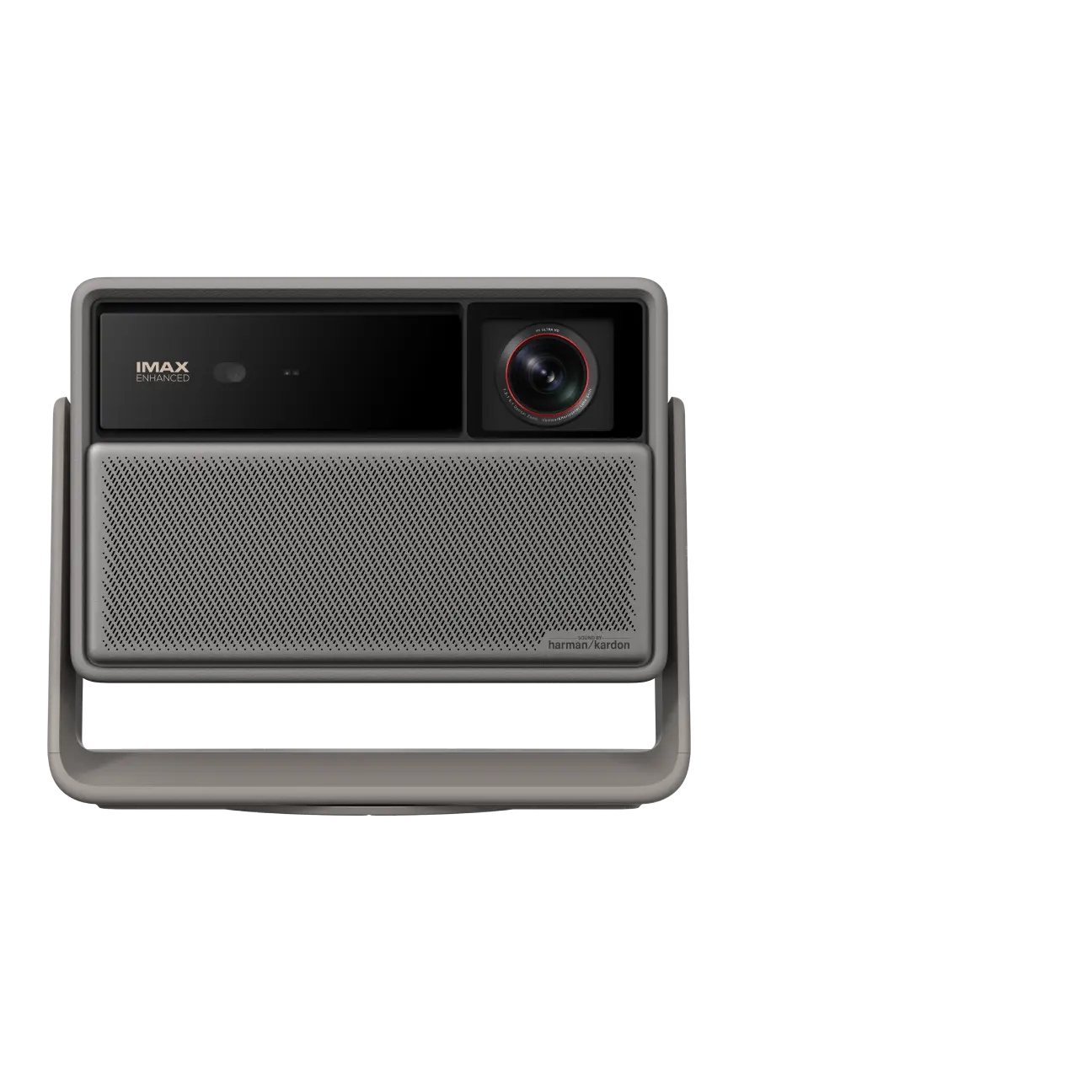
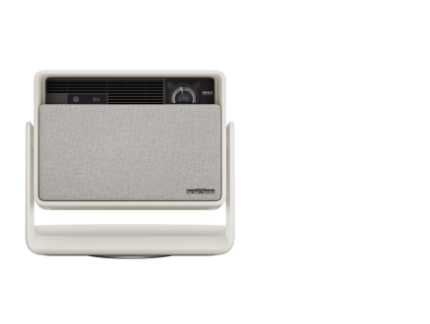
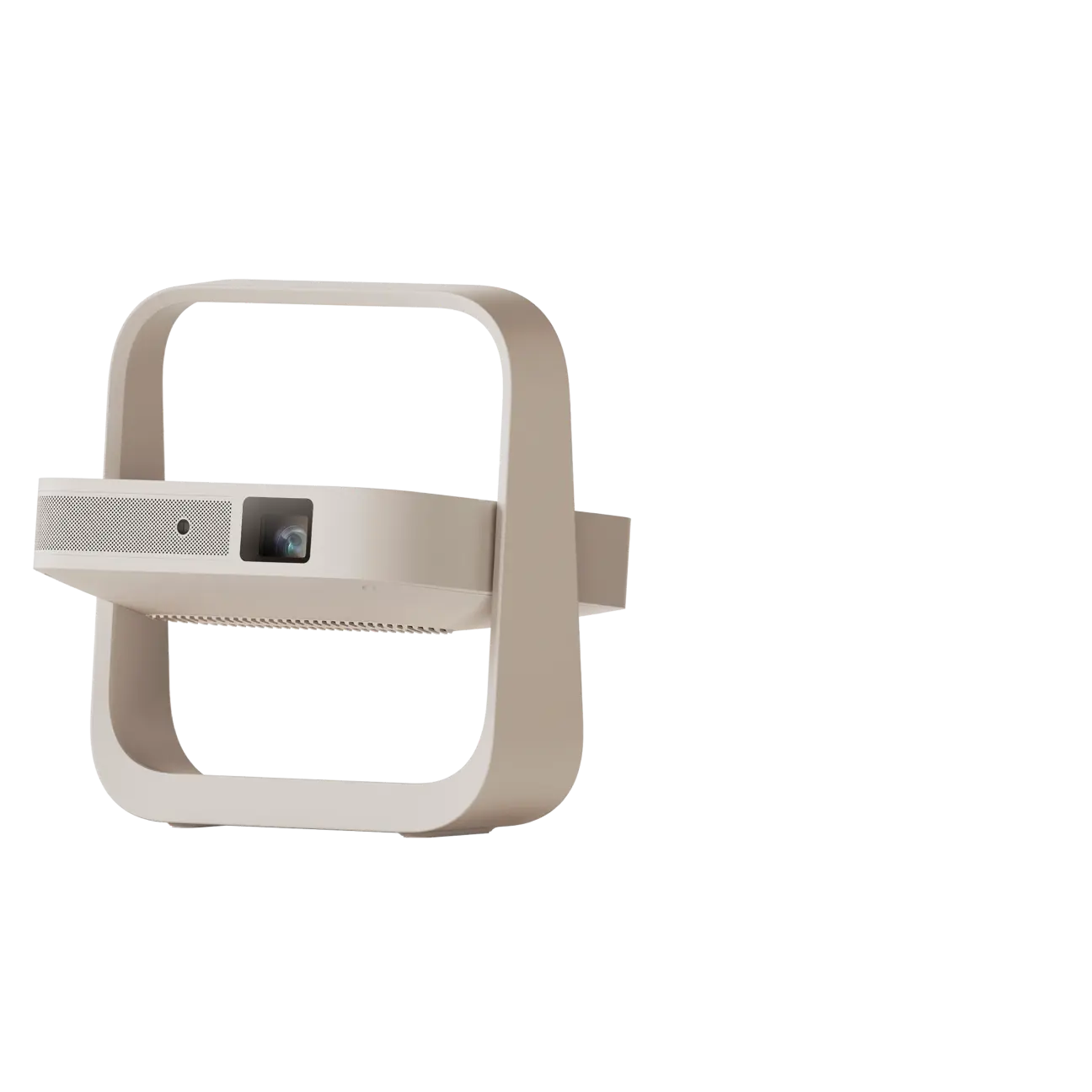
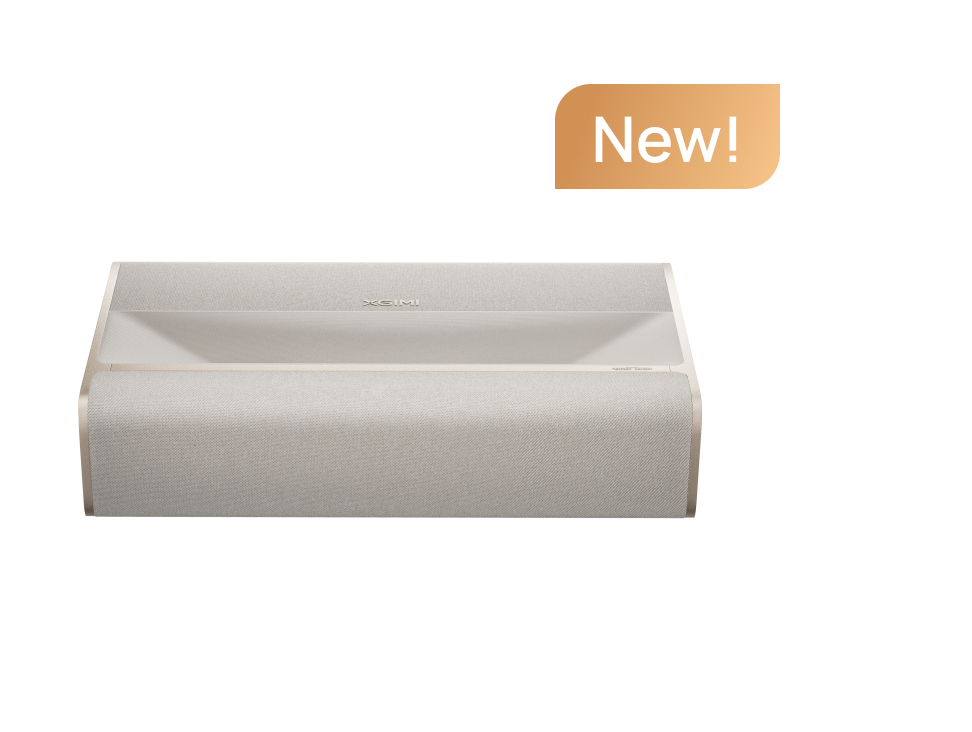
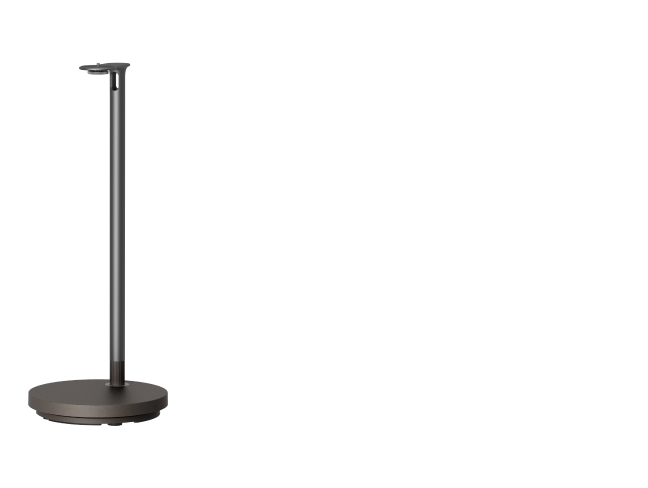
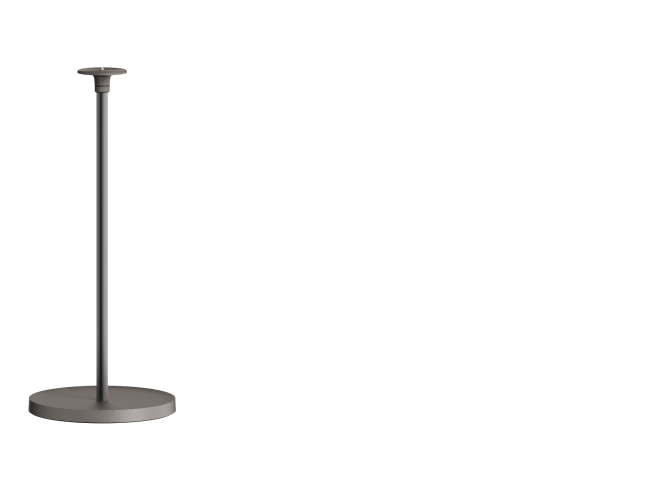
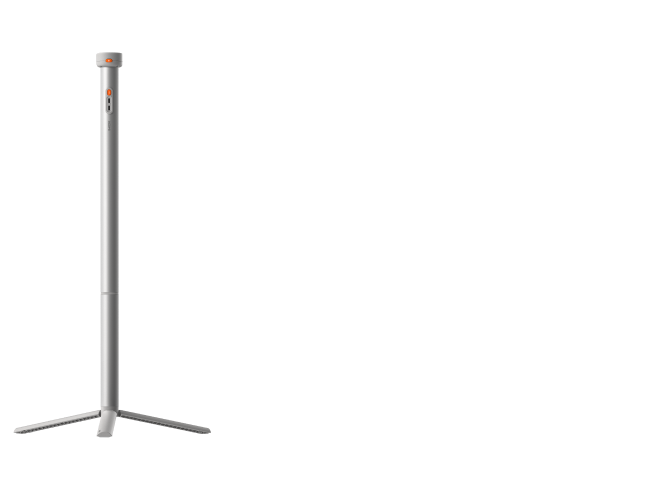
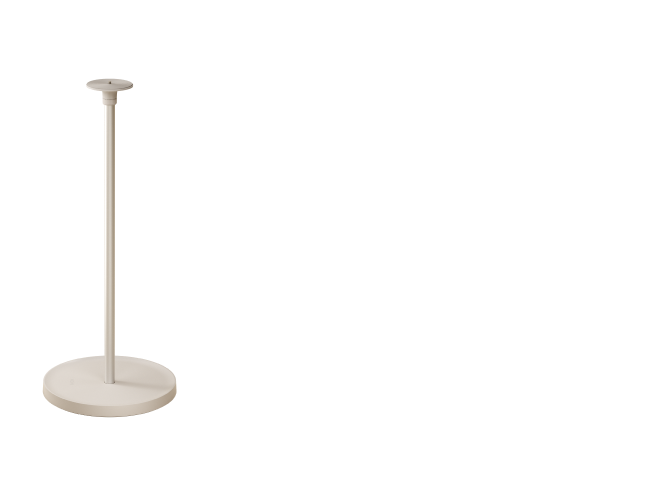
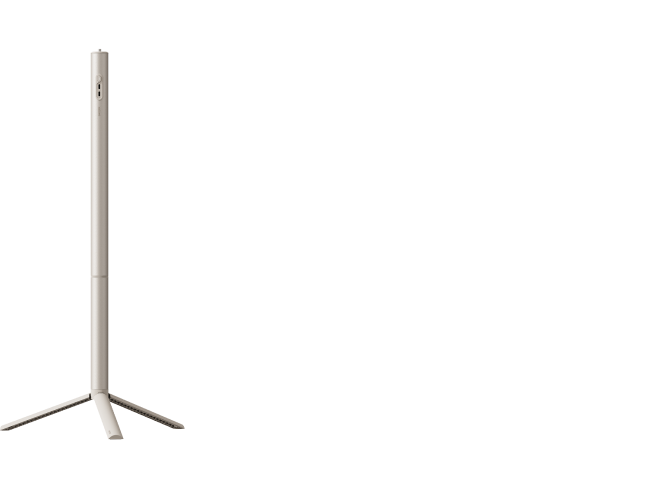
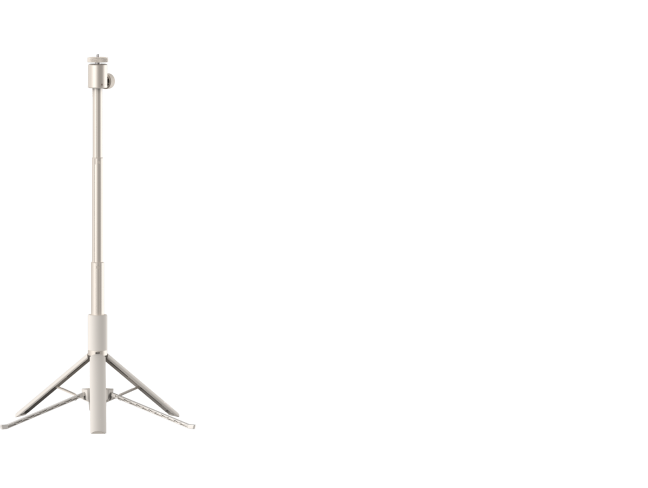
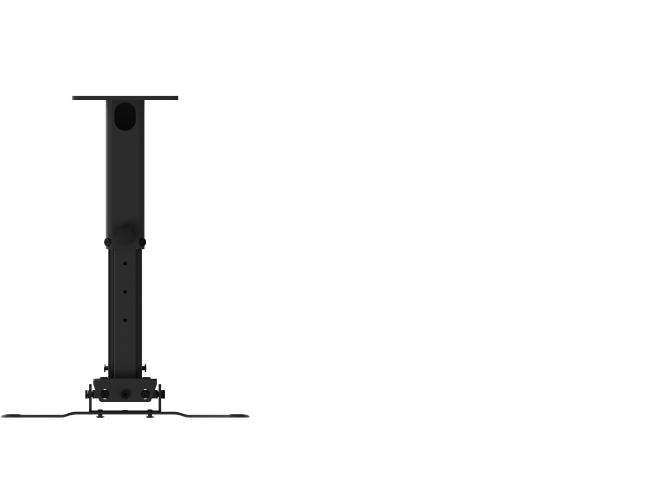
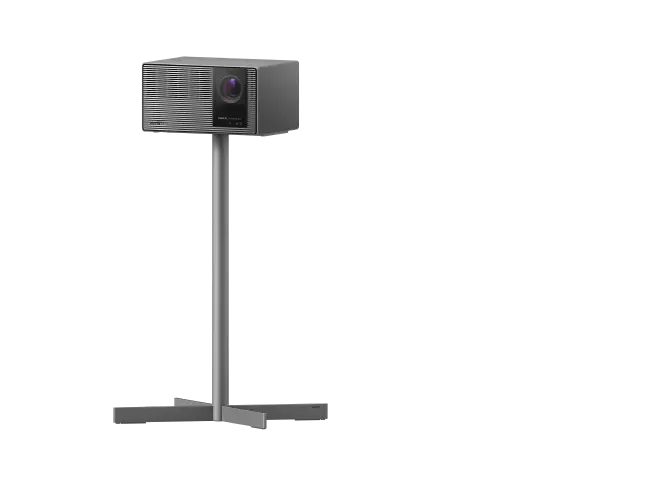
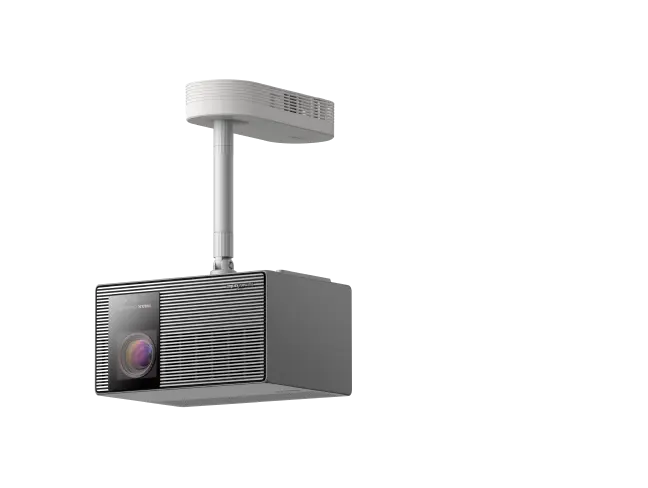
Ultra shortthrow projectors, like the XGIMI MIRA, can deliver 100-inch images from just a few feet away, making them ideal for small rooms. Use the manufacturer's distance calculator or general throw ratio guidelines to ensure the image fits your space without distortion. Ceiling mounting or a stable stand keeps the unit out of the way and prevents accidental shadows during movement.
article_product1
3. Use Relaxing Visuals and Guided Classes
Choose calming content that helps you stay focused during your practice. Nature scenes, slow-moving landscapes, and guided yoga classes with minimal on-screen text work especially well. Many streaming platforms also offer ambient videos and yoga playlists designed for relaxation.
For a more comfortable viewing experience, reduce the projector's brightness if needed and select a warmer picture mode instead of a cool, daylight-like setting.
4. Calibration is Essential for Comfort
Adjust focus, keystone, and color balance so the image remains even across the wall. Lower overall brightness during yoga to prevent eye strain, and test the setup during actual movement to catch any shadow issues early.
5. Sound Also Matters
Pair your projector with a quality audio system or use built-in speakers positioned away from the practice area. Gentle background music or class audio should enhance rather than compete with the visuals.

Can You Do Yoga with a Projector in a Small Room?
Yes. A projector is a practical choice for yoga in a small room, provided you have enough space for your mat and the projector's throw distance. Portable projectors are especially suitable for bedrooms and apartments, as they can create a large image without requiring much floor space. For the best results, reduce ambient light, avoid blocking the projection beam, and position the image where it's easy to view during your practice.
article_product2
Final Checklist Before You Build Your Immersive Yoga Studio
- Confirm your room can be dimmed during typical practice times
- Choose projector type based on layout permanence rather than maximum size
- Test placement with actual yoga movement to check for shadows
- Select soft, calming content sources and calibrate for warm tones
- Plan for easy maintenance and repeatable setup
- Consider light control upgrades like curtains as part of the project
When these elements align, ambient projection can make home yoga feel more motivating and serene. The best setups feel invisible during practice—supporting focus rather than demanding attention. Start small, test in your actual space, and adjust based on real sessions rather than theoretical ideals. With the right balance of technology and room preparation, your spare room can become a personal sanctuary that enhances both body and mind.


